TOKYO DIGICONX
Interactive experience programs
Hands-on XR & Metaverse!
We offer a wide variety of hands-on XR and metaverse experiences for you to enjoy on-site.We welcome you to visit with your colleagues or bring your family along!
Programs01

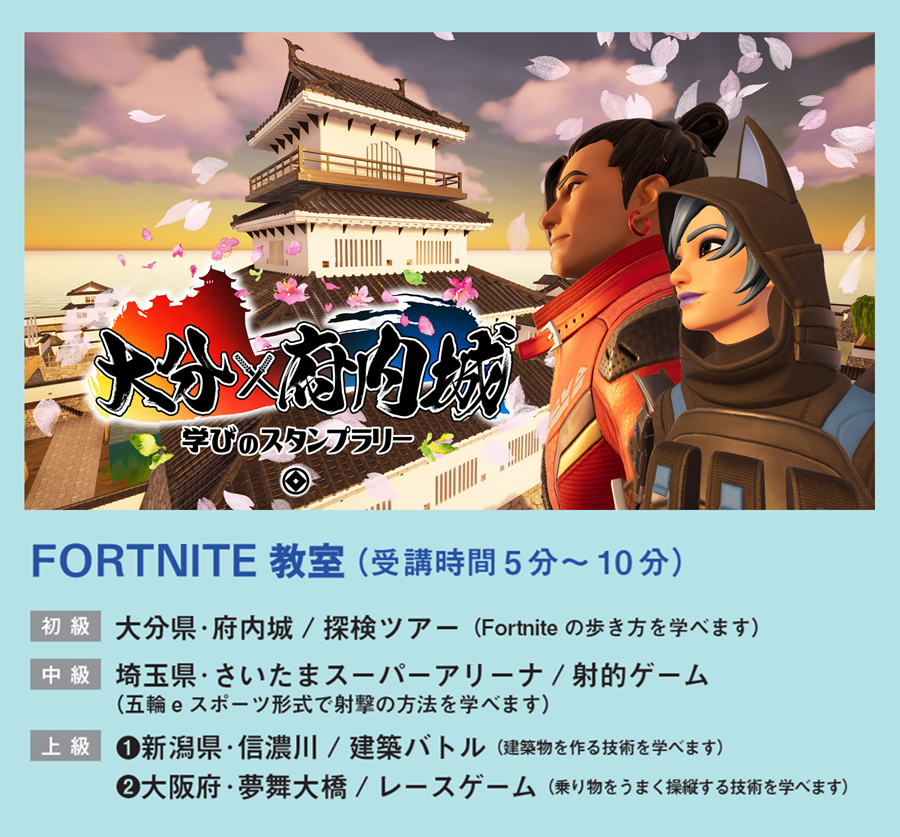
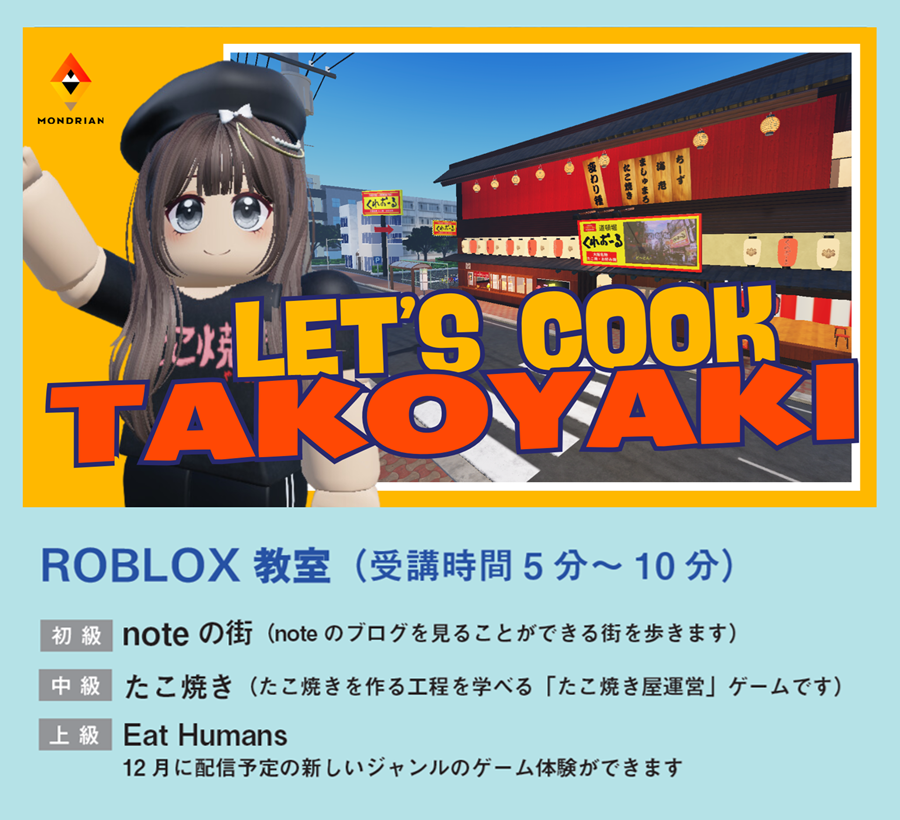
The Metaverse: A Beginner’s Guide You Wish You Had Sooner
Even among those already engaged in metaverse-related businesses, as well as those planning to enter the field, not everyone has actually stepped into a variety of metaverse spaces and experienced them firsthand. Using ASUS’s latest gaming PCs, this session will guide participants through the different types of metaverse platforms, basic operations, and what makes them truly engaging—sharing “how to enjoy the metaverse” in a way that’s often difficult to ask others about now.
Programs02

ASUS Latest Gaming PC Corner
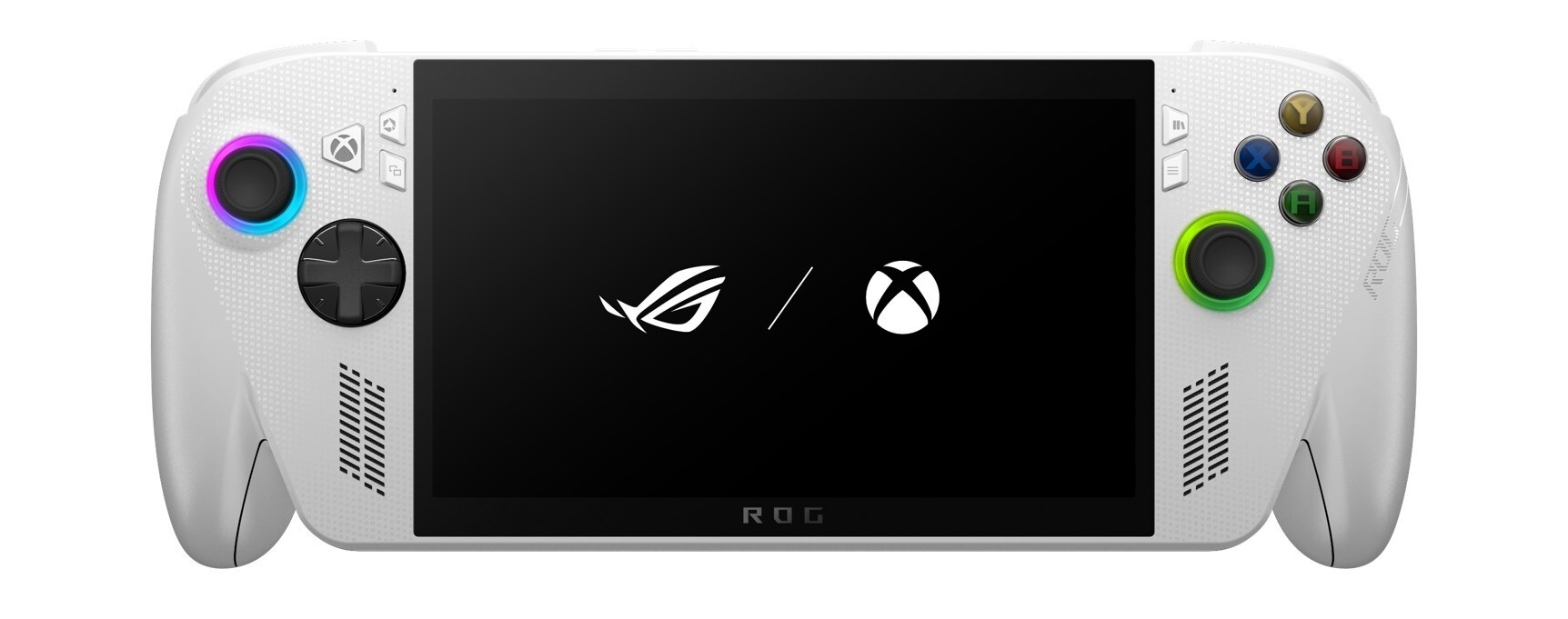
ASUS will showcase a wide range of its latest gaming PCs—from high-end desktops to notebooks and even portable models. The highlight of the lineup is the newly released portable gaming device, the “ROG Xbox Ally,” which launched in October. Two versions will be on display: the standard model equipped with the AMD Ryzen Z2 A processor, and the high-end model capable of smooth gameplay at 1080p.
Programs03
“Meta Quest 3” Experience Corner
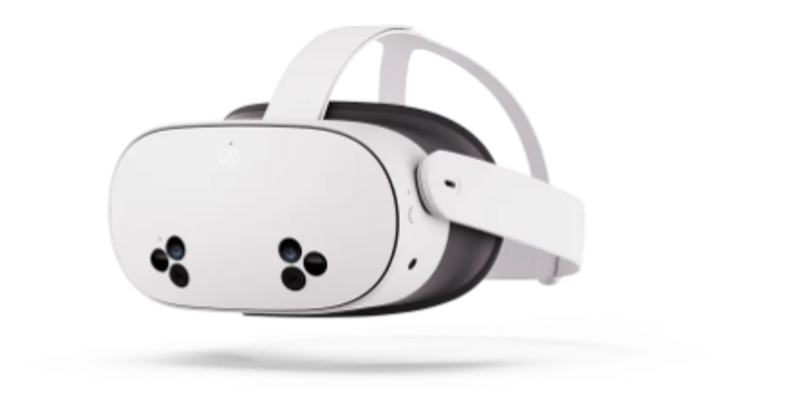
A free hands-on experience zone where visitors can enjoy the latest VR games and VR content in a high-quality environment using the newest VR headsets, Meta Quest 3 / 3S. From Lazer Dance to the latest released titles, unreleased upcoming titles, and even real-time live-streamed worlds, this area offers a wide range of cutting-edge VR/XR experiences.
Programs04
XR Immersive Experience Zone
Using Portalgraph’s XR system, large-scale LED displays will showcase live demonstration content by VTubers as well as demos created with game engines, allowing visitors to experience immersive XR content without wearing goggles.
Portalgraph’s system tracks the user’s viewpoint and renders visuals in real time according to that perspective, delivering the same core functionality as virtual production systems.
*Virtual production refers to a visual production system used in television and film production. Computer-generated background imagery displayed on ultra-large LED panels is rendered in real time based on the camera’s position, creating the illusion of a physically existing environment.*
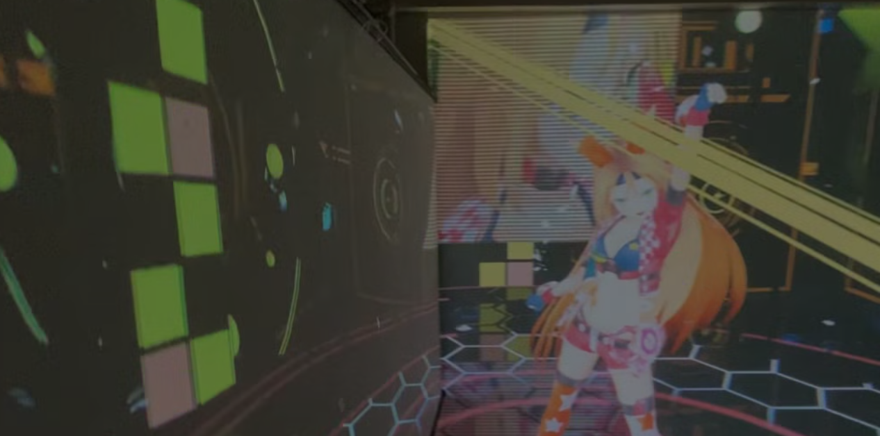
Portalgraph 150-inch LED Display
(Scheduled VTuber Appearances)
● Umitsuki Shell
https://x.com/umitsukishell
● ChumuNote (Chumu-note)
https://x.com/tmgnrei
*Please note that the VTubers scheduled to appear are subject to change.
Programs05
Glasses-Free 3D Experience
Looking Glass’s glasses-free 3D displays use a lenticular lens system to generate approximately 60 images simultaneously, delivering different images to the retina depending on the viewing angle. As viewers shift their position from side to side, they can see different sides of the object, creating a true sense of depth. This technology also allows multiple people to experience glasses-free 3D simultaneously on the same display.
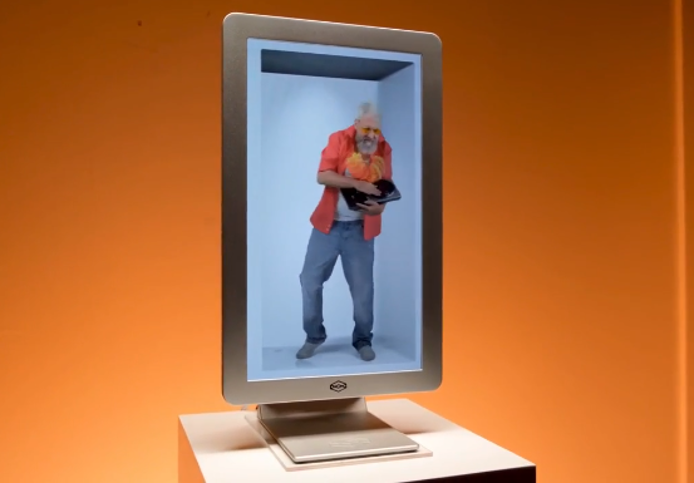
Glasses-Free 3D Display
Looking Glass 27” Light Field Display
(Key Features)
● Simultaneous Projection of Up to 100 Views
Enables shared glasses-free 3D experiences for groups
● 5K High-Resolution Display
Landscape (5120 × 2880) / Portrait (2880 × 5120)
● Approx. 40 cm of Virtual Depth Representation
Delivers an immersive experience that makes 3D visuals feel truly “present”
Programs06
make.ctrl.Japan
A Showcase of Unique Game Controllers × TOKYO DIGICONX
When playing games, we hold a game controller in our hands. While controllers connected to various game consoles have become somewhat standardized, the event “make.ctrl.Japan” was launched to explore new possibilities for game controllers.
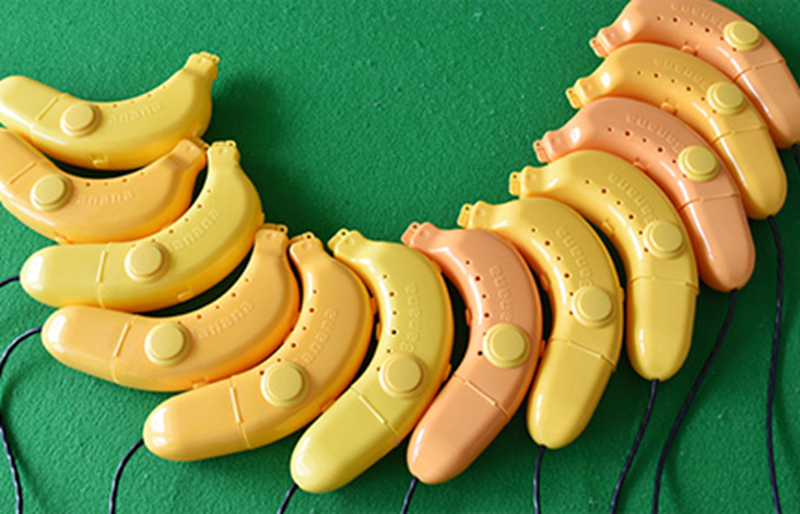
MIYAZAWORKS, led by Takahiro Miyazawa, the representative of make.ctrl.Japan, will showcase “Katte ni Kite Saru,” a game played with a banana-shaped controller that allows up to 12 players to join at once. From Tokyo Polytechnic University, Nakamura Laboratory, visitors can experience “Beer Master,” which recreates the experience of pouring draft beer from a beer server using a smartphone and a special controller, as well as “Viewpoint Rotation Puzzle: Re-Angle,” “Window Action,” and a total of five interactive works. In addition, nsMagnet will present “Skip Cup,” an arcade-style game installation.
POCKY STORE & POCKY WORLD
Official Ambassador Pocky’s
Limited-Time Store & “Pocky World”
Come to the Physical Venue
At Pocky World, we recreate “Pocky’s Room” for the very first time ever.
The actual sofa and table that have appeared many times on Pocky’s YouTube channel will be on display.
In addition, the outfit worn during the first performance of the original song “Dream Log” will also be exhibited.
Immerse yourself fully in Pocky’s Room—just like the one you’ve seen in the videos.
At the Pocky Store, we will be selling Pokimaru merchandise released last October.
We also plan to showcase a selection of items that will be sold at “Pomiso Soup Party in Nippon Budokan,” scheduled for Saturday, February 7.
(Item sales will take place on Saturday, January 10 only. On January 8 and 9, items will be on display only.)
Pocky Store Items for Sale
(Saturday, January 10 / 10:00 AM – 5:00 PM)
❶ Pokimaru Pouch
❷ Plush Mascot: Dinosaur Pokimaru (Hoodie Ver.)
❸ Mini Acrylic Stand: Dinosaur Pocky
❹ Mini Acrylic Stand: Dinosaur Pokimaru
❺ Sticker Set: Dinosaur Pokimaru
❻ “Pomiso Soup Party in Nippon Budokan” Concert Ticket